Home » News »
Australia freight audit – importing compliance holes costing millions
« Previous | Next »
The Australian Border Force – shows 2445 Australia freight audit reports undertaken from 2017 year to date (YTD). Out of these, three percent of errors and only three errors in relation to value of goods imported has been reported. A simple calculation shows that this equates to an average of only 306 per months.
So what happens to the millions of cargo reports received monthly by ABF? When are these audited? Are they even audited?
Australia freight audit – importing compliance holes costing millions
Below are the numbers of inspections, inspections, examinations, detections and risk assessments done for international mails, air cargo imports and exports, and sea cargo imports and exports for the period 2015-2016.
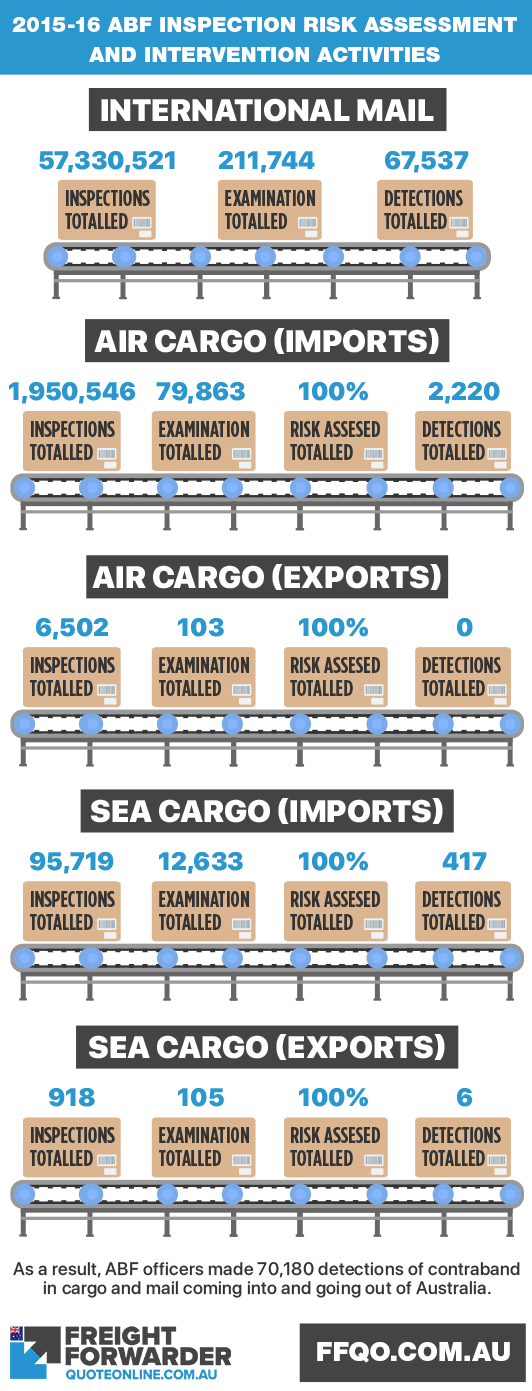
Australia freight audit inspection risk assessment and intervention activities
However are the estimated weekly ABF inspection and clearance activity, which not sufficient to the number of cargo received in the table above.
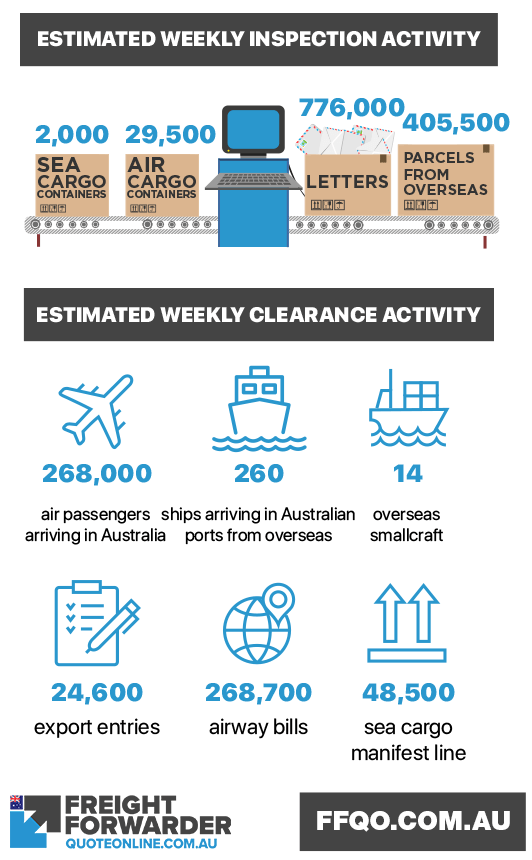
Australia freight audit and weekly clearance and cargo activity
With these supplied data, do you think Australia freight audits are doing a great job ensuring the correct mandated customs revenue are collected?
The role of customs in Australia freight audits
Customs play a vital role in preventing illegal and harmful goods from entering into Australia. It also regulates the movement of goods and people across its borders while collecting customs duty and other revenues. Through it, legitimate movement of goods into the country is ensured.
The Customs Compliance Assurance Strategy and the Australia freight audits
The Customs Compliance Assurance Strategy (CCAS) provides assurance that the industry and the international trading community complies with the legislative requirements. It aims to provide the government with the following:
- Accurate and timely reporting of all cargo and vessels entering or leaving Australia
- Compliance with licence and permit requirements, prohibitions and restrictions in relation to imported and exported goods
- Correct amount of revenue is paid or identified for collection or consideration
- Effective implementation of community protection programs related to imported and exported goods
- Accurate and reliable data on trade statistics is provided to Customs
Improved changes for better customs compliance
Under the Integrated Cargo Systems (ICS), the following changes have been implemented:
- Mandatory electronic reporting
- Cascade reporting and sanctions for late or inappropriate reports
- Six month moratorium on applying reporting penalties
Due to these, Australian National Audit Office (ANAO) also considered a review of the Cargo Reporting Compliance Strategy 12 to 18 months after the ICS has been introduced.
Preventive methods to improve customs compliance
The following avenues show the high risk sections in the following Customs information:
- Cargo reports
- Import declarations
- Export declarations
To further improve the information contained in these sections, ANAO has proposed the following:
Real time assessments of cargo for imports
The process for real time assessments of cargo for import is as follow:
Step 1: Import declaration is received
Step 2: Cargo data is matched against compliance profiles
Step 3: Cargo is sorted into two groups: Green or Red
Australia freight audit and the real time assessment of cargo for import
Those classified as green entries are automatically cleared while those placed on red line entries needs further examination before it is to be released.
This may seem like a good process flow, however these are not matched against Customs’ electronic risk profiles. This is because regions only assess the statements against specific risk criteria.
As a result, ANAO has identified several significant inconsistencies. Therefore, it is highlighted that a need for a reliable data set is necessary to properly assess the risks posed by unaccompanied personal effects (UPEs) to confirm that the level of compliance activity is appropriate.
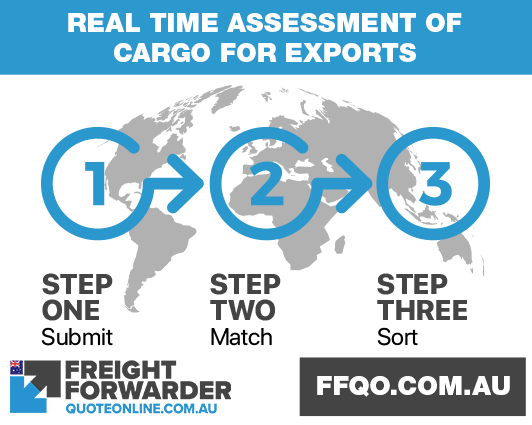
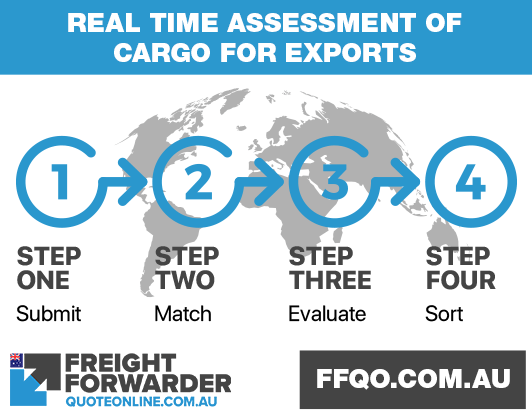
Real time assessment of cargo for exports
As for exports, the process flows in this manner:
Step 1: Export declarations are submitted to ICS
Step 2: Export Declaration Number (EDN) is matched via a risk profile.
Step 3: EDN is evaluated by the relevant workgroup
Step 4: The cargo is sorted as held or released, similar to that of the import cargo process
Australia freight audit and the real time assessment of cargo for import
A review of this process revealed three key problems:
- A number of system defects
- Incorrect reporting practices
- Deficiencies within Customs’ support arrangements
The assessment of customs post transaction audit activity
At first glance, it may seem that the Customs export and import process is performing efficiently, especially with electronic declaration as the preferred method of choice. However, ANAO shows the following:
“…audit planning process was often based on officer knowledge, experience and intuition and did not include a formal assessment of risks or the level of confidence in the client’s ability to comply.
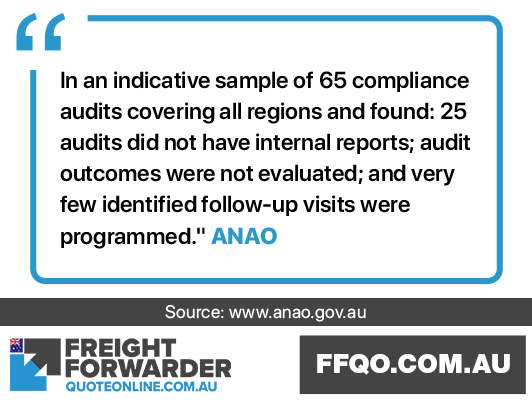
“In an indicative sample of 65 compliance audits covering all regions and found: 25 audits did not have internal reports; audit outcomes were not evaluated; and very few identified follow-up visits were programmed.” ANAO.
Australia freight audit report exposed
These lack of Australia freight audit reports were blamed on the lack of resources which resulted to benchmark audits being prioritized, rather than compliance audits.
Additional concerns highlighted by ANAO includes Customs inability to provide ANAO with accurate and reliable compliance data, as there is no national system holding the compliance activities of the regional systems and databases. There is also no systematic analysis of compliance data by either the Central Office or most regions. Thus, compliance trends or patterns of non-compliant behaviour within or across industry segments is very hard to identify.
Conclusion
The “petty” fraud happening inside Customs does not send a good signal to importers and exporters. As needed, an appropriate number of Customs Officers has to be hired and trained so proper customs audit can be implemented. Otherwise, more packages that are being claimed as under the $1000 AUD threshold will continue to get into Australia illegally.
Need help? Send us a message.
Check out our other recent articles
Latest news
Read up on the latest Australian freight forwarding news and developments:
AI in freight forwarding and the changing Australian workforce - 10 Aug 2026
Marine cargo insurance – Why do you need it? - 23 Jul 2026
What is the Australian Trusted Trader program (ATTP) - 24 Jun 2026

Get social with us
Check us out on Facebook. Get social and like our page. Feel free to post your thoughts - we will appreciate it.
Come see our clips on our YouTube channel and subscribe so you are notified when we add new ones.
To keep up to date with the industry and read up on industry trends and developments, follow us on LinkedIn.
For quick updates, follow us on Twitter.
1300651233