Home » News »
Marine cargo insurance – Why do you need it?
« Previous | Next »
Global trade moves more than 280 million containers via ocean freight each year, yet some shipments still sail without marine cargo insurance. Leaving your goods unprotected is increasingly risky, as modern supply chains face unprecedented threats from rising geopolitical tensions and extreme weather.
Persistent hostilities in the Persian Gulf and Strait of Hormuz illustrate this danger. They have recently driven a 191% increase in vessel transits around the hazardous Cape of Good Hope, rather than through the Suez Canal. Navigating this route is longer and more perilous. There were 576 containers officially reported lost at sea in 2024 only with over 200 around the Cape of Good Hope. In 2025 there were 1,478 shipping containers lost at sea worldwide which represented 0.0005% of global container movements.
Securing comprehensive marine cargo insurance remains one of the most effective ways to protect your financial interests against these unpredictable global disruptions and potential cargo losses.
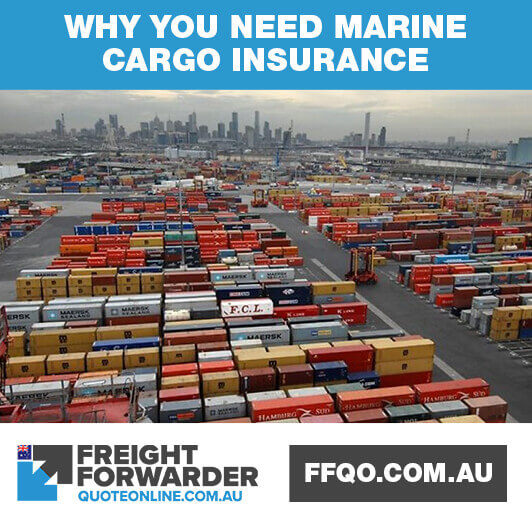
Should you buy marine cargo insurance prior to shipment?
Major incidents of cargo lost at sea
Understanding the true scale of global shipping risks requires looking at historical data. Several high-profile incidents illustrate exactly how extreme weather and unpredictable ocean conditions can devastate massive modern vessels and disrupt supply chains.
- ONE Apus encountered severe weather across the Pacific Ocean during 2020, resulting in nearly 1,800 shipping containers being lost overboard in one incident
- Storm Martinho battered the coast of Portugal during 2024, causing the MSC Houston V to lose 15 shipping containers directly into the Atlantic Ocean
- Extreme weather off the coast of South Africa caused the CMA CGM Benjamin Franklin to lose 44 containers while another 30 sustained significant structural damage in 2024
- Severe maritime conditions around the Cape of Good Hope contributed to approximately 200 shipping containers being lost in that region during the year 2024
- Major logistical and environmental incident occurred at the Port of Long Beach when 67 shipping containers spilled directly into the harbour during one event in 2025
These historical shipping incidents clearly illustrate the significant scale of supply chain disruptions that result in lost, destroyed or damaged cargo. Examining the root causes behind these events is essential to understanding the specific risks faced by your shipments.
Factors for ocean freight loss and damages
Key vulnerabilities constantly threaten cargo integrity during transit, ranging from extreme weather to human error. Factoring these primary risks into your logistics strategy remains critical.
Stranding
Unpredictable events such as groundings, port strikes and vessel collisions can disrupt shipping operations and strand cargo. These logistical challenges may delay freight deliveries and, in the case of perishable goods, can result in significant deterioration or complete spoilage.
Packing damage
Improper packing and incorrect carton stacking remain leading causes of transit damage. Poorly balanced loads and insufficient padding leave goods vulnerable to shifting, impact and internal collapse. Properly securing your cargo helps prevent these avoidable incidents.
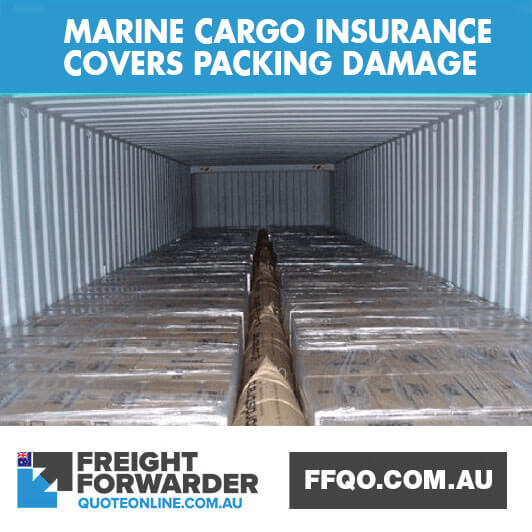
Avoid unwanted fees due to packing damage and buy a marine cargo insurance
Cargo movement
Ocean voyages subject containers to continuous hydrodynamic forces, including heaving, swaying, surging and yawing. Severe phenomena such as parametric rolling combine violent pitching and rolling motions, placing significant stress on container lashings. Constant movement can cause internal damage if goods are not properly secured.
Watch this video to see these various movements caught on tape.
Water damage
Extreme weather and massive waves can force seawater into cargo containers during ocean transit. Powerful storms can compromise container seals, allowing corrosive saltwater to damage sensitive goods. Ensuring your packaging can withstand water ingress remains essential to mitigating these environmental risks.
Ships in severe weather shows why marine cargo insurance is important
Overboard losses and jettison
High seas and strong winds can destabilise container stacks, causing containers to fall overboard. In extreme circumstances, shipmasters may be required to deliberately jettison cargo to protect an unstable vessel during severe storms. Navigating routes exposed to harsh weather conditions can significantly increase the risk of these total losses.
Destroyer in storm demonstrates importance of marine cargo insurance
Fire
Improperly handled charcoal and lithium batteries pose a severe fire risk that can quickly spread and destroy surrounding cargo and ship. These incidents highlight the significant dangers associated with incorrect customs declarations and the misdeclaration of hazardous goods.
Burning cargo ship in port – make sure you take out marine insurance
Sinking
Catastrophic storms possess the power to overwhelm modern vessels and cause complete sinkings. Experiencing a total vessel loss guarantees all onboard cargo sinks directly to the ocean floor. Recovering goods from these maritime disasters is virtually impossible.
Cargo ship sinking off New Zealand showing why marine insurance is needed for you cargo
Hijacking
Escalating geopolitical tensions and piracy continue to threaten major shipping lanes. Hostilities between countries force many vessels onto longer alternative routes, increasing transit times and operational risks. In some areas, ships also face the threat of piracy, including cargo theft, hijacking and ransom demands that result in significant financial losses.
Pirate attacks in modern era are another reason for marine insurance
Why should you purchase marine cargo insurance
Given these uncertainties, are you willing to let your cargo sail without marine cargo insurance? Probably not and that’s a wise decision. Here are some additional reasons why you shouldn’t let your cargo sail without marine cargo insurance.
Reduces your exposure to financial loss
Paying for marine cargo insurance provides benefits that far outweigh the cost of the premium. Exporters awaiting payment and importers who have prepaid for goods face significant financial risks if a shipment is lost or damaged during transit. A comprehensive policy transfers much of this financial risk to the insurer, helping protect your business from unexpected maritime losses.
Expedites release of cargo
Securing a prompt port release is vital to maintaining an efficient supply chain and protecting your bottom line. Under maritime law, cargo owners may be required to provide a substantial bond or cash deposit before cargo is released following a declared general average incident. Holding a valid marine cargo insurance policy allows your insurer to provide the required security on your behalf, helping expedite the release of your goods.
Saves you from potential legal problems
Navigating international trade agreements requires strict compliance with contractual obligations. Many international sales contracts require sellers to arrange marine cargo insurance for their shipments. Securing this coverage helps protect the financial interests of buyers and lenders while ensuring you meet your contractual obligations without unnecessary complications.
How much should you insure your goods?
Securing marine cargo insurance is a sensible business decision. However, determining the appropriate level of cover can often be confusing for importers. Our experienced team is here to simplify the process and help you calculate the right level of protection for your shipment.
How to calculate your marine cargo insurance?
Calculating your insurance cost involves applying a specific rate to your total insured amount. Standard industry practice requires calculating 110% of your total shipment value, which includes your invoice cost and freight charges.
Your calculation should look like this:
Amount to insure = invoice cost + freight cost + extra costs (10% of invoice and freight)
Adding this extra 10% buffer is absolutely essential to cover unexpected additional expenses during a total loss. These additional costs usually include:
- Landing charges
- Bank charges
- Road transport
- Customs broker fees
- Currency conversion
- Handling and payment processing
Please note that this formula does not include your actual insurance premium cost. Contact our team directly if you need assistance accurately calculating your final premium.
Sample case scenario
A practical example highlights the significant difference between insuring only the value of your goods and insuring your goods together with freight and other associated costs.
In this example, we are exporting a machine valued at $250,000.
| Item | Cost |
|---|---|
| Cost of goods | $250,000 |
| Freight cost | $12,000 |
| Extra costs | $26,200 |
| Total amount to be insured | $288,200 |
Calculation of amount to be insured when exporting an expensive machine
Note that the “Extra costs” are 10% of goods plus freight. The exporter faces a critical choice between insuring simply the $250,000 cost of goods or following the recommended comprehensive calculation of $288,200.
Why should you never under-insure your cargo?
Understating your cargo value to reduce premiums can result in significantly reduced claim payouts. If a truck rollover completely destroys your machine, your insurer may only cover the declared value of $250,000. Failing to insure the full amount could leave you unable to recover the additional $38,200 spent on freight and associated costs.
The premium difference between a $250,000 policy and a $288,200 policy is generally minimal. Underestimating the insured value may provide only a small upfront saving while exposing you to substantial financial losses in the event of a major cargo claim.
Responsibilities for the insurer and freight forwarder with its carrier
Importers must clearly understand the distinct responsibilities of their freight forwarder, carrier, and insurance underwriter. Many businesses make the costly mistake of assuming standard shipping contracts automatically cover all damage incurred during transit. Understanding the exact role of each party highlights why dedicated marine cargo insurance remains essential for financial protection.
Freight forwarder responsibilities and limitations
Freight forwarders act as expert logistics providers who coordinate shipments and manage complex transport arrangements across global supply chains. Forwarders generally assume financial responsibility only when damage results directly from their own proven negligence. Standard shipping agreements typically do not cover unpredictable geopolitical events or extreme weather, leaving significant protection gaps within your supply chain.
Carrier responsibilities and limitations
Ship operators are the carriers and they take responsibility for safely stowing and securing containers aboard the ship. Shipmasters oversee stowage plans and utilise weather routing to help avoid dangerous maritime conditions. Carrier liability often includes strict financial limits, which may restrict compensation to a maximum amount per package or unit of cargo. These limitations significantly reduce carriers’ financial exposure during unexpected incidents, meaning they may not compensate you for the full commercial value of your goods.
Marine cargo insurance responsibilities and limitations
Marine cargo insurance providers specialise in evaluating transit risks and offering financial protection for your shipments. Underwriters issue policies designed to cover the insured value of your goods rather than relying on limited carrier liability caps. Insurance companies may appoint independent licensed surveyors to assess damage, determine the cause and assist with the claims settlement process.
Policy holders should secure comprehensive coverage through these insurers to protect against risks such as:
- Severe weather
- Vessel collisions
- Political instability
Securing dedicated coverage is essential because neither your freight forwarder nor your carrier is responsible for covering losses beyond their contractual or legal liability limits.
Understanding these distinct responsibilities helps prevent unexpected financial exposure during a major cargo loss. Purchasing an appropriate marine cargo insurance policy can help ensure your business recovers its insured financial interest when maritime events fall outside standard carrier liability limits.
FAQ
Below are three key frequently asked questions that address some of the most common concerns when arranging marine cargo insurance. Understanding these answers can help you make informed decisions about protecting your goods during transit.
For more detailed guidance on what happens after a loss occurs, including the steps involved in notifying insurers, assessing damage, and seeking reimbursement, see our separate article on how to make a marine cargo insurance claim.
How does carrier liability differ from a dedicated marine insurance policy?
Ship operators generally provide compensation based on the applicable liability limits, which may be calculated according to the weight or package unit of the damaged cargo. Purchasing a dedicated marine cargo insurance policy helps ensure your claim reflects the insured value of your goods rather than being restricted by carrier liability limits.
Why is my freight forwarder not automatically responsible for the full value of my damaged cargo?
International shipping laws often limit the financial obligations of logistics providers during transit. Relying solely on standard service agreements can expose your business to significant financial gaps, as these liability limits rarely reflect the actual commercial value of your shipment.
Does a standard freight forwarder agreement cover international war risks or piracy?
Standard transit contracts often exclude losses arising from geopolitical conflict, war risks or acts of piracy and hijacking. Protecting high-value shipments against these volatile global threats may require a specific war-risk extension to your marine cargo insurance policy.
Safeguard your cargo against unpredictable transit risks
Global shipping remains highly volatile due to extreme weather and a wide range of unpredictable events. Relying solely on standard carrier liability can expose your business to significant financial risks, as compensation may be limited and claims may not cover the full value of your cargo. Smart business owners protect their profit margins by securing comprehensive marine cargo insurance before their goods leave the warehouse. Working with an experienced freight forwarder to arrange this dedicated protection can help safeguard your business against unforeseen maritime losses.
Let us help you find the right solution. Try our online instant sea freight quote tool to receive free, unlimited quotes. Learn more about us on social media and follow our LinkedIn or Facebook pages. You can also call us directly on 1300 651 233 to discuss your cargo requirements and marine insurance needs.
Check out our other recent articles
Latest news
Read up on the latest Australian freight forwarding news and developments:
AI in freight forwarding and the changing Australian workforce - 10 Aug 2026
Marine cargo insurance – Why do you need it? - 23 Jul 2026
What is the Australian Trusted Trader program (ATTP) - 24 Jun 2026

Get social with us
Check us out on Facebook. Get social and like our page. Feel free to post your thoughts - we will appreciate it.
Come see our clips on our YouTube channel and subscribe so you are notified when we add new ones.
To keep up to date with the industry and read up on industry trends and developments, follow us on LinkedIn.
For quick updates, follow us on Twitter.
1300651233